
We help founders make something people want. The Y Combinator Podcast is where builders talk about building. From the earliest days of an idea to scaling a company that changes the world, YC partners and founders share real stories, lessons, and tactics from the frontlines.
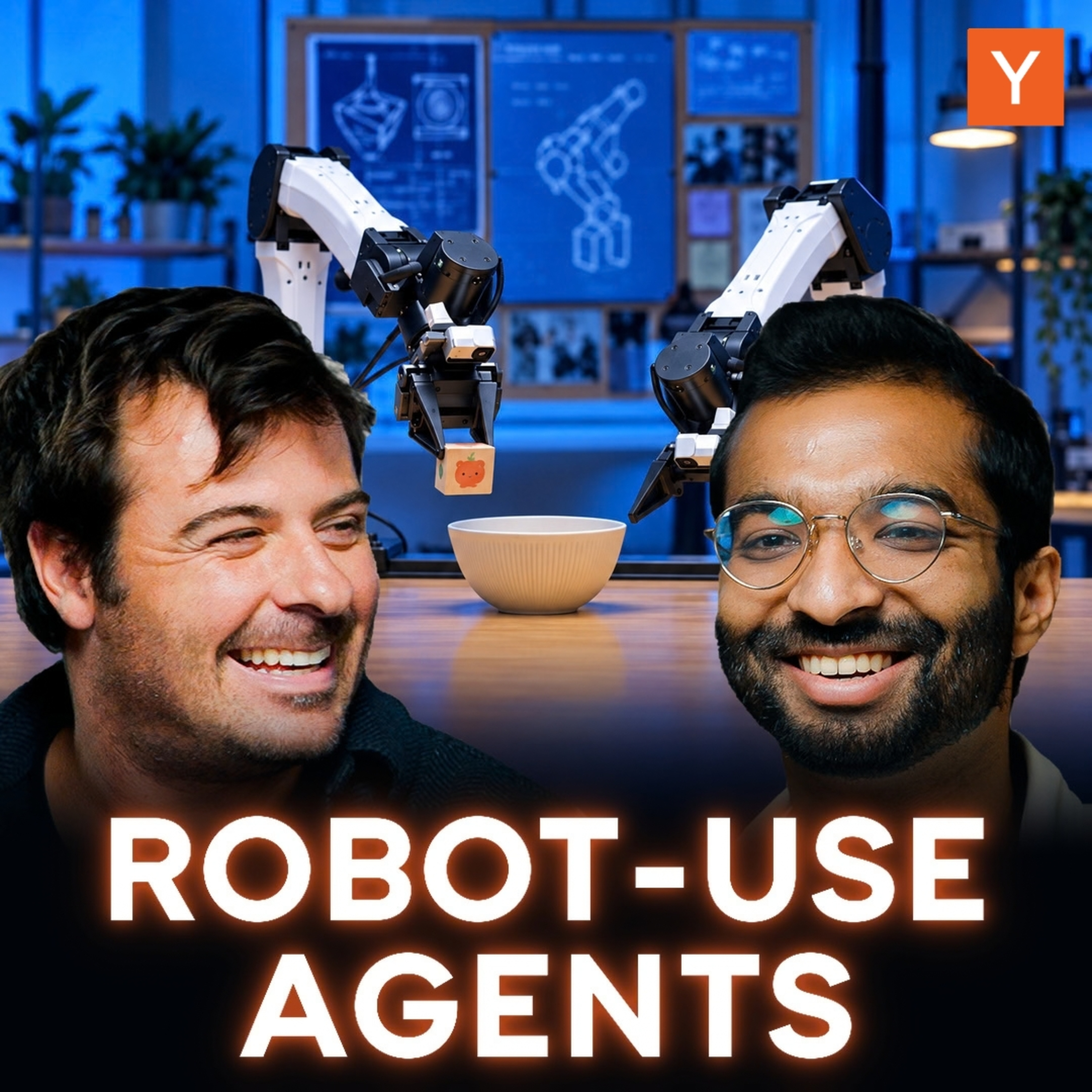
The founders of Waddle Labs and RoboCurve explain why coding agents are turning into robot controllers, why latency is now the real blocker to real-time robots, and why they think general-purpose robots are about two years away.
YC's partners share the batch data behind three shifts nobody predicted at this speed: startups moving from bits back to atoms, solo founders nearly quadrupling, and companies hitting real revenue in weeks instead of years.
A YC visiting partner who closed millions through founder-led sales breaks down why targeting, not polished copy, is what actually moves reply rates.
Ollama's CEO, who watches token flow from 9 million developers and 85% of the Fortune 500, explains why open models went from hobbyist curiosity to enterprise default in under two years, and why the real bottleneck has shifted from model intelligence to what runs on top of the tokens.

Paul Graham explains why the founders who build billion-dollar companies are driven day to day by fear of disaster rather than fantasies of wealth, why AI arrived backwards from how researchers expected, and why "starting lean" is still the right instinct even in an era of expensive AI compute.
Heart Aerospace went from a 3D-printed model you could hold at YC Demo Day to the largest electric airplane ever flown, in seven years. Founder Anders Forslund on picking the segment incumbents ignore, tying every fundraise to something physical you can touch, why looking conventional is a feature, and the SpaceX risk philosophy that reshaped the whole product.
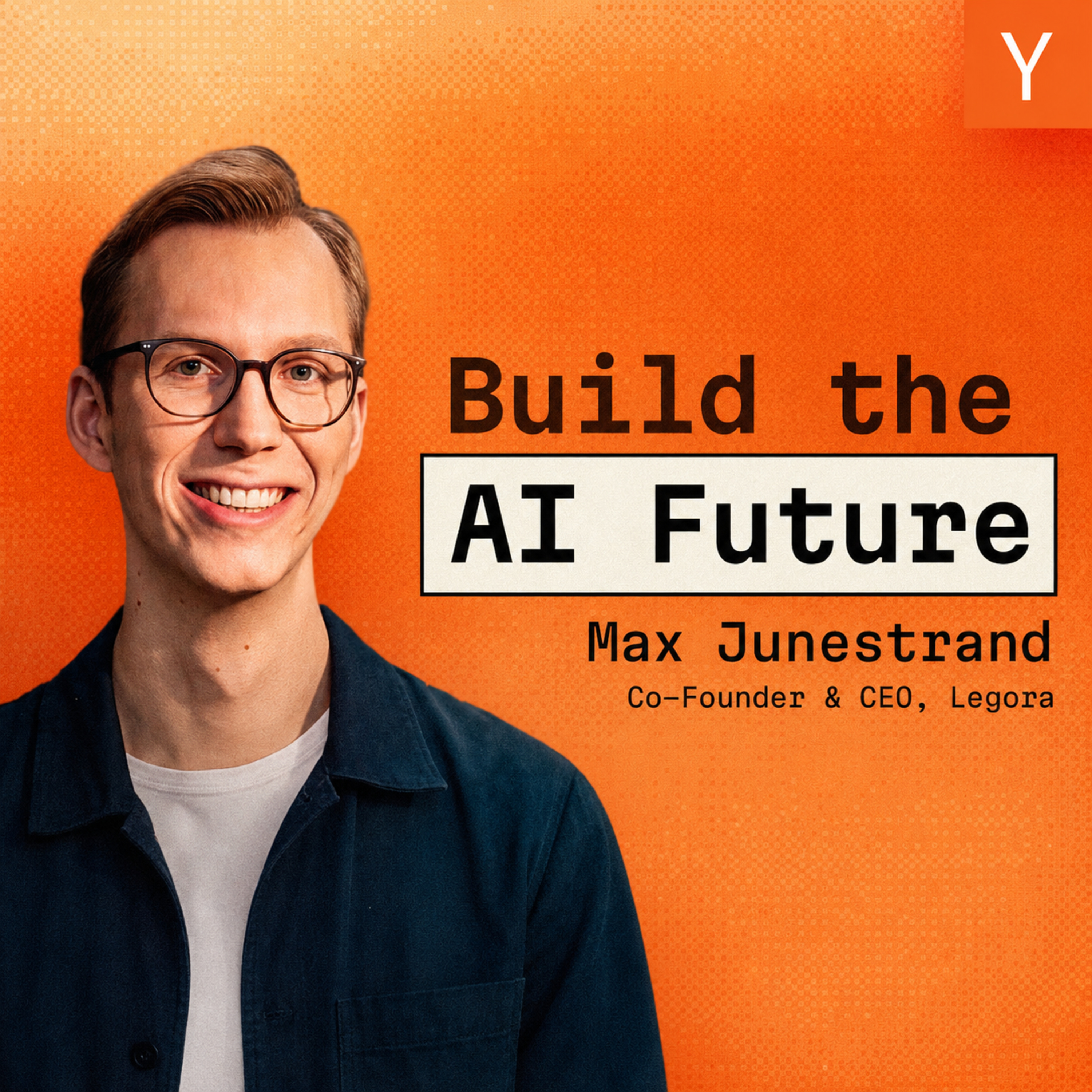
Three non-lawyers in a windowless Stockholm conference room took Legora from $1M to $100M ARR in 18 months. Max Junestrand on why they refused to fine-tune models, why they froze all sales for six months, and why the ability to evaluate models is the real IP.
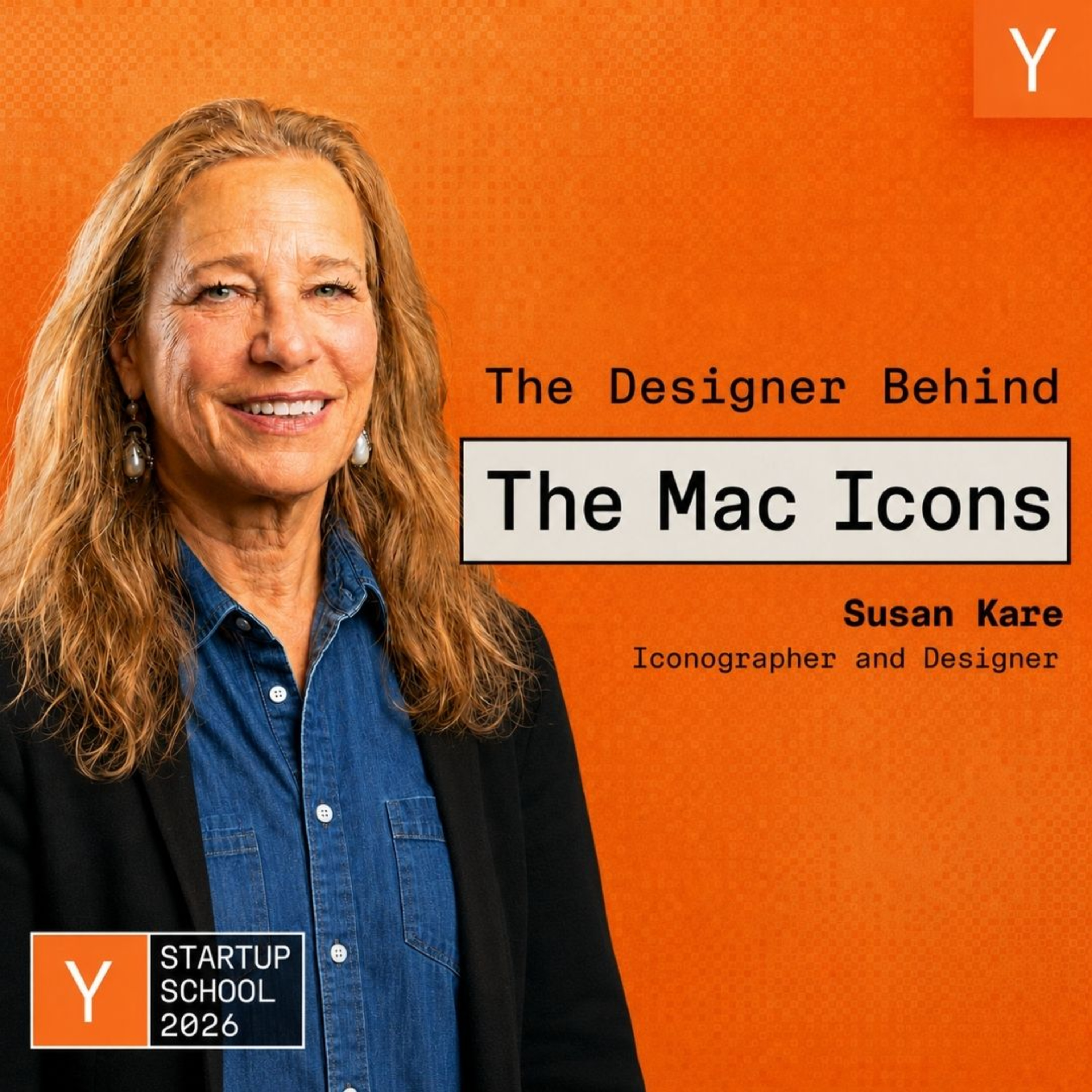
The designer who drew the Happy Mac, the command key, and the Chicago typeface on 16x16 grids explains why less detail makes an icon more universal, why a metaphor outlasts a literal product drawing, and the design and career advice she has collected over a lifetime.
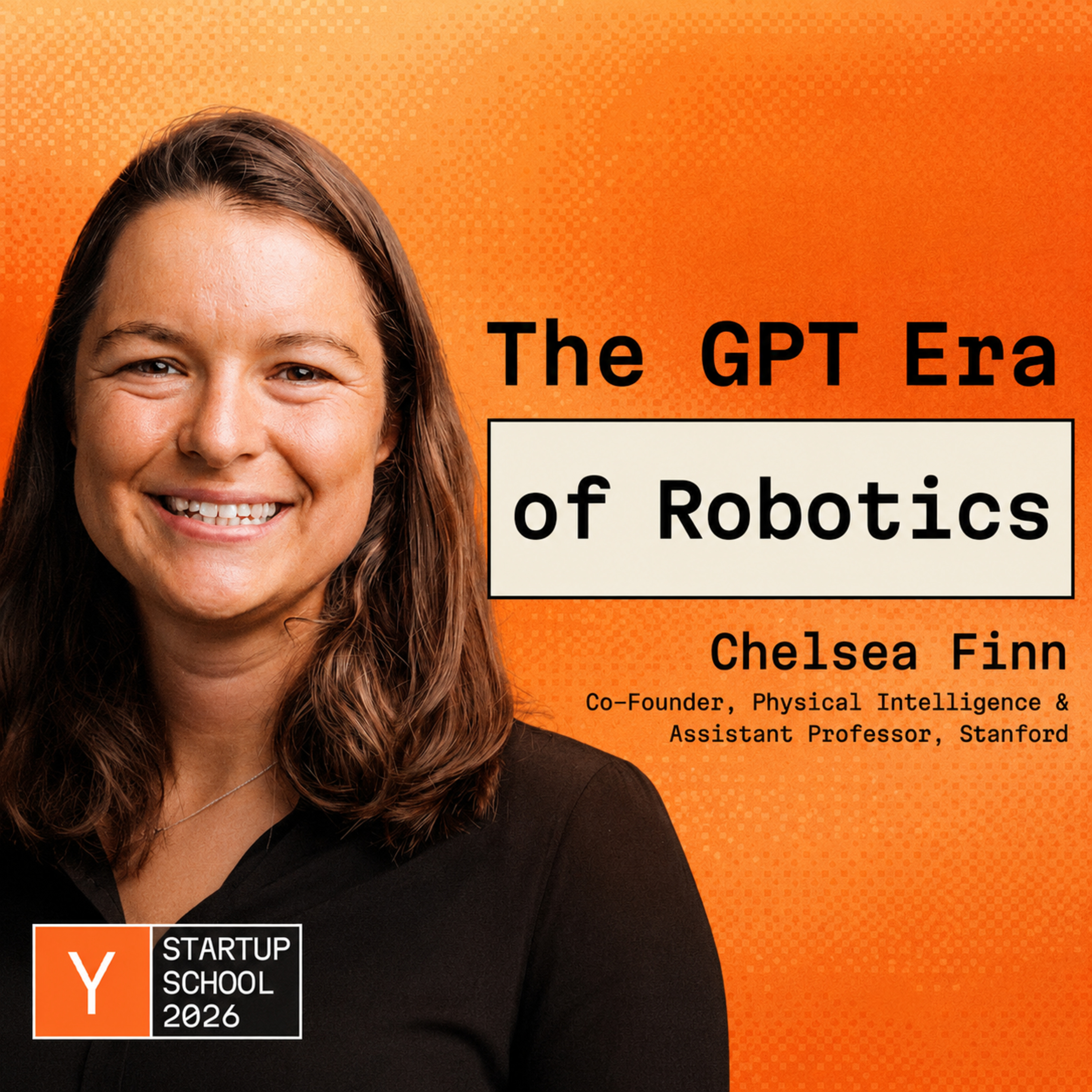
Chelsea Finn on why physical AI has almost no room for the "mostly right" mistakes consumer AI gets away with, the reinforcement learning recipe that pushed a robot to over 90% reliability making espresso, and why she thinks robotics just had its own GPT moment.
Everyone hears the same episodes.
Few can do what they describe.
